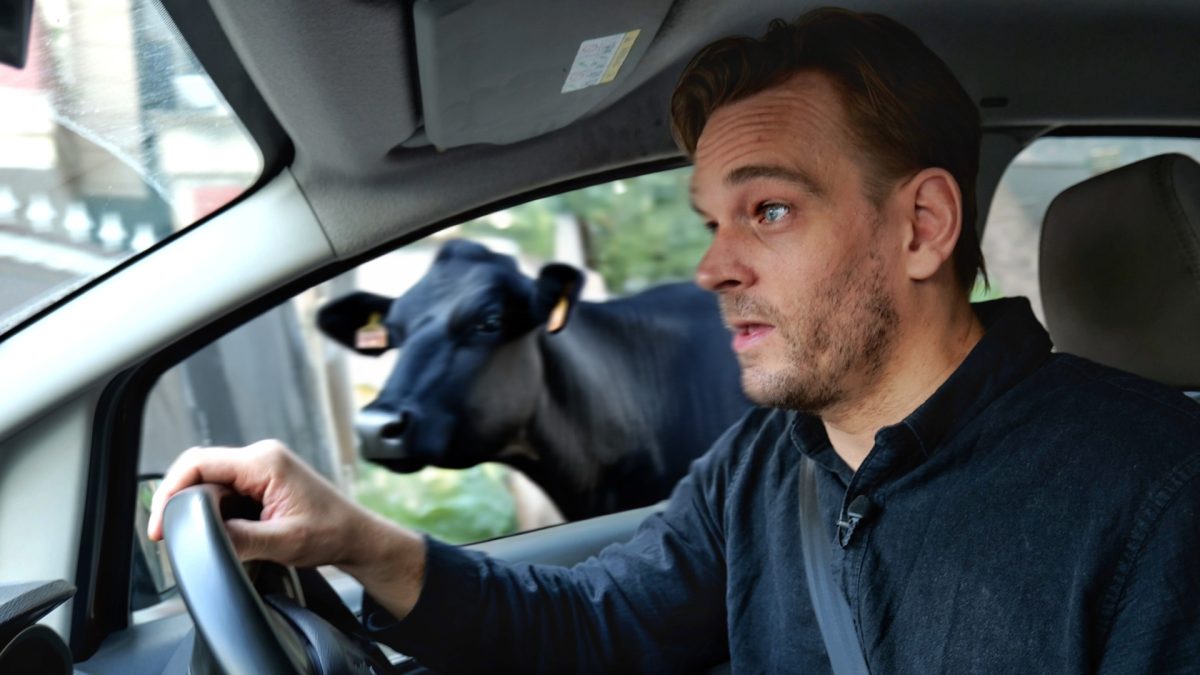
India’s roads are legendary – chaotic, vibrant, and unlike anything you’ve ever experienced. If you’re a foreigner considering a road trip in this incredible country, you might be wondering: Is it really as crazy as they say? Or could it be the adventure of a lifetime?
In this guide, I’ll walk you through everything you need to know to hit the road in India with confidence, from licenses to safety tips, based on my eight-hour journey from Delhi to Kota, Rajasthan.
Why Drive in India?
Driving in India gives you unparalleled freedom. You can stop wherever you want, eat at roadside dhabas, and explore hidden gems off the beaten path. While motorcycles offer the ultimate flexibility (as seen in my motorcycle documentaries), this guide focuses on cars, though most tips apply to two-wheelers too.
Whether it’s weaving through bustling city streets or cruising on a modern expressway, a road trip in India is an adventure you’ll never forget.
Do You Need an International Driving Permit?
You’ve probably seen ads on Instagram pushing international driving permits, trying to scare you into thinking you need one. Here’s the good news: you don’t. Thanks to international agreements, tourists can drive in India for up to six months with their home country’s driver’s license.
For example, I use my New Zealand license, and Indians can drive in New Zealand with theirs. So you don’t need a IDP for India (other countries you may).

Choosing the Right Car
Picking the right vehicle is crucial for a safe and comfortable trip. Here are my top recommendations:


- Toyota Innova: The gold standard for touring India. It’s luxurious, safe, and comfortable – perfect for long drives.
- Ford EcoSport: A mid-range mini SUV, like my wife’s car, which I’ve driven across India, including to rugged Ladakh. It’s reliable and versatile.
- Maruti Wagon R: A budget option that’s incredibly reliable and won’t break down. However, it’s less safe and comfortable, feeling like a “little metal box.”
For most travelers, the Innova or EcoSport strikes the best balance of safety and comfort.
Navigating Indian Roads: The Basics

Indian roads can feel overwhelming at first, but after about 30 minutes behind the wheel, you’ll start to get the flow. Here’s what to expect and how to handle it:
1. Embrace the Chaos
Indian traffic doesn’t always follow strict rules. You’ll see people jumping lights, driving on the wrong side of the road, or ignoring lanes. Don’t panic – drive defensively and go with the flow. It feels natural once you adjust.
2. Honking is Communication
Honking in India isn’t rude; it’s a form of “sonar technology.” A honk might mean, “I’m passing,” “Watch out,” or “I’m here.”
Unlike in places like New Zealand, where honking can escalate tensions, it’s just part of the driving culture here.
Use your horn to signal your presence, especially when overtaking.
3. Drive Slow and Steady
Always drive slightly under the speed limit.
Roads are full of surprises – pedestrians, cows, dogs, or vehicles on the wrong side.
Slow and steady wins the race in India.
4. Stay Calm
It’s easy to get frustrated when someone cuts you off or drives dangerously, but keep your cool. Anger leads to mistakes. Let aggressive drivers pass, don’t take it personally, and focus on getting to your destination safely.
5. Avoid Old Town Areas
Driving in narrow, crowded old town lanes, like Old Delhi, is a nightmare. Instead, find a parking lot outside the area (check Google Maps) and walk in. It’s less stressful and safer for your car.
Safety First: Essential Tips
- Always Wear a Seatbelt: Many locals skip seatbelts and might even tell you it’s fine, but don’t listen. Safety comes first.
- Watch for Obstacles: Mornings are busy with school kids, pedestrians, and animals. Stay vigilant.
- Check Your Car’s Condition: Scratches and dents are common in India, and locals are less precious about them. If you accidentally bump someone’s car, apologise immediately. I once nudged a car at a light, owned up to it, and the situation was resolved calmly.
Filling Up: Petrol Stations

Filling up in India is straightforward but requires attention:
- Check the Meter: Ensure the pump meter is zeroed before filling. I once got shorted ₹200 because the meter wasn’t reset after the previous customer.
- Payment: You can say “full” for a full tank or specify an amount (e.g., ₹1,000). International credit cards sometimes don’t work, but many stations now have terminals for foreign cards. Cash is always an option.
- Extras: Most stations offer tire air and water for your car. Take advantage of these to keep your vehicle in top shape.
Tolls and FASTag
India’s motorways often have toll plazas, and the FASTag system makes them efficient. FASTag is a small tag linked to your bank account that automatically deducts toll fees, saving you from cash transactions. However, some plazas still have queues due to positioning issues or closed lanes. If paying cash, expect an extra fee, as authorities encourage FASTag use.

Where to Eat


Roadside dining is a highlight of any Indian road trip. You’ll find two main options:
- Dhabas and Local Restaurants: These are common on national highways, offering affordable, traditional food. Look for cute, well-maintained spots with AC for a comfortable break. Near toll plazas, you’ll also find tea stalls and snack vendors with cold drinks.
- Service Areas on Expressways: Modern expressways, like the Delhi-Mumbai one, have fancier options like Burger King, Pizza Hut, or Costa Coffee. These areas often have clean bathrooms, making them a convenient stop.
Bathroom Breaks


Finding a decent bathroom can be tricky:
- Public Toilets: Available near toll plazas and marked with clear signs. They’re fine for a quick pee but avoid using them for anything more due to hygiene concerns.
- Plan Ahead: Do your business at your hotel before hitting the road. If you must use a public toilet, look for cleaner options at service areas or restaurants like McDonald’s.
Navigation and Connectivity
- Use Google Maps: It’s reliable for navigation, but download offline maps as a backup. Rural areas can have spotty 4G coverage.
- Be Cautious: Google Maps might lead you down narrow gullies. Double-check routes to avoid getting stuck in tight spots, especially near hotels or old towns.
Accommodation on the Road
For overnight stops, expect basic but clean hotels in smaller towns, like the ₹2,000 (~$23.50) room I stayed in. It had AC, a clean bathroom, and was perfectly fine for a solo traveler. However, some hotels in small towns may not accept foreigners due to paperwork issues. If this happens, look for a more expensive hotel – they’re usually set up for international guests.


Dealing with Beggars
At city intersections, beggars may approach your car, often asking for ₹10 and offering blessings. Be polite but firm – say, “No, sorry,” with a smile. They’re usually non-aggressive, and a respectful attitude goes a long way.
My Experience on the Delhi-Mumbai Expressway
The Delhi-Mumbai Expressway was a pleasant surprise. Unlike typical highways with cows and chaotic traffic, this modern road was animal-free, with smooth lanes and polite drivers. We cruised at 100 km/h, passing massive toll plazas (some with 17 lanes!). It made the journey feel almost too easy compared to the usual Indian road adventure.
Final Thoughts: Should You Drive in India?
Driving in India is not for the faint-hearted, but it’s absolutely doable with the right mindset. After a short adjustment period, you’ll find the rhythm of the roads and embrace the chaos.
The freedom to explore at your own pace, stop at quirky dhabas, and discover India’s diverse landscapes makes it worth the challenge.
What are your tips for driving in India? Let me know in the comments.
Safe travels, and keep it slow and steady!
